
"split roast"
300 article(s) found

Italian century-old brand CAFFE PASCUCCI leads the Chinese coffee market
Sometimes, the so-called life, but a cup of coffee lingering warmth. Murakami's words, without referring to the taste of coffee, say the true meaning of coffee: in many cases, coffee is a kind of comfort to people's hearts. Indeed, there are always times when urban men and women steal a moment of leisure through the aroma of coffee. At least hold a glass at CAFFE PASCUCCI

Which brand of instant black coffee tastes good? Test the slimming effect of several kinds of instant black coffee
Professional coffee knowledge exchange more coffee bean information please follow the coffee workshop (Wechat official account cafe_style) to analyze the benefits of drinking fast coffee some of the benefits of black coffee recommended that I have drunk some of the taste for reference only, well, there are a lot of people want to know if drinking black coffee can lose weight with black coffee if it has assists, but it can not lose weight! It can only stimulate you.
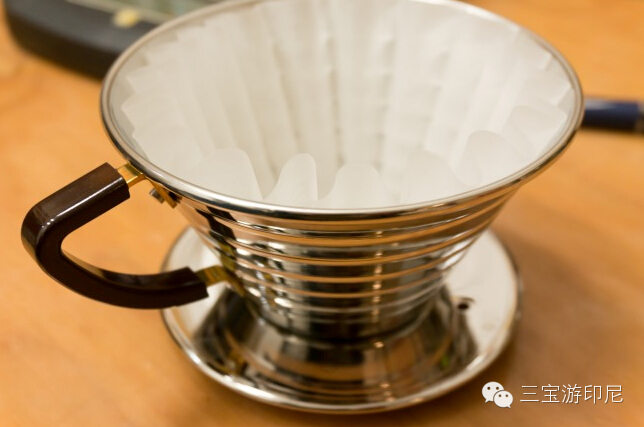
KalitaWave handmade coffee filter cup course KalittaWave filter cup is available in both glass and stainless steel
KalitaWave handmade coffee filter cup ▌ here introduces a very excellent equipment-KalitaWaveDripper handmade coffee filter cup ▌ KalitaWaveDripper is a flat-bottomed filter cup from Japan, flat-bottomed design can make the extraction more fully. Unlike BonavitaImmersionCoffeeDripper or CleverCoffeeDripper,KalitaWave, no.

What is the effect of different filter cups on the flavor of coffee?
The world's first filter cup was invented by a wife named Mellita in Germany. Mellita loves to drink coffee. One day in 1906, Mrs. Mellita suddenly felt that the coffee was not pure enough, so she drilled a hole under the cup and put her son's painting paper on it to see if she could drink purer coffee. This is the emergence of the world's first coffee filter cup. With the boutique

Comparative Test of Coffee Powder Bowl what is the effect of IMS and VST coffee powder bowls on espresso extraction?
Espresso powder bowl: small but powerful. Therefore, although they have an important impact on extraction, they are often ignored. In fact, about half a year ago, VST's Vince Federer (Vince Fedele) first released his precision powder bowl in the coffee world-years later, other advances in specialty coffee equipment (such as the PID-controlled multi-pot coffee maker).
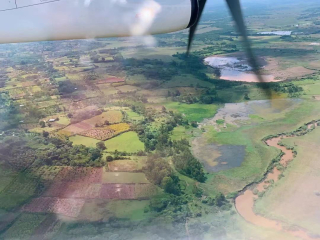
Description of the flavor, taste and aroma characteristics of Sidamo coffee beans the latest news of the first batch of Sakui 6.0 arriving in Hong Kong
Follow the caf é (Wechat official account vdailycom) found that the beautiful cafe opened a small shop of its own, Sidama, which grows between 4600 and 7200 feet above sea level in the southernmost Ethiopian plateau (Sidamo province), is a famous boutique coffee area in southern Ethiopia and borders Kenya.
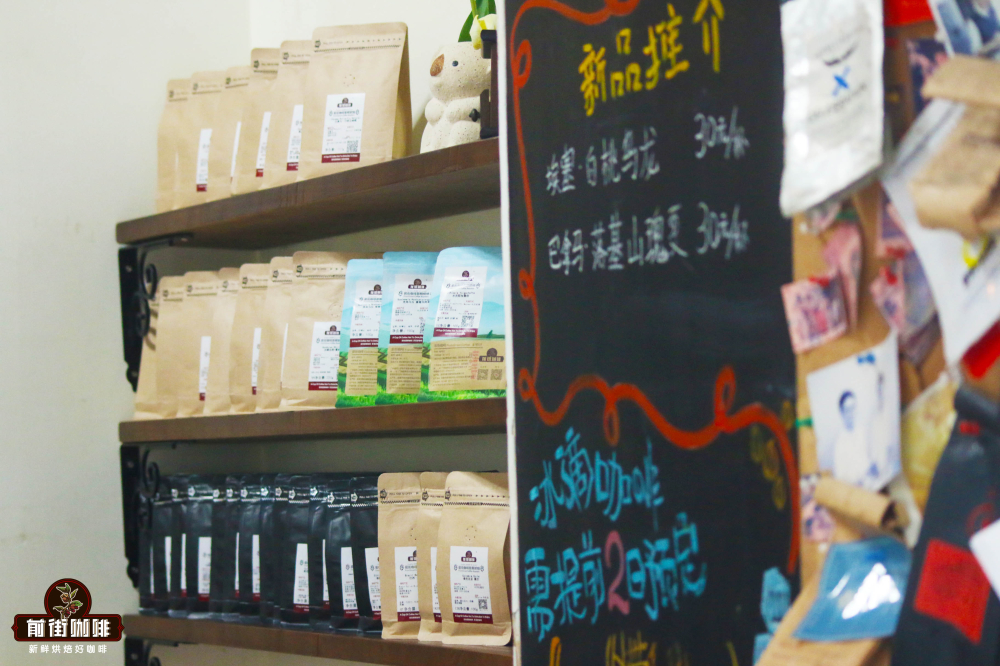
Indonesia gold manning coffee bean price brand grade introduction how much is a cup of hand-made manning coffee
Professional coffee knowledge exchange more coffee bean information please follow the coffee workshop (Wechat official account cafe_style) many people like to drink manning, of course, many cafes also have different manning gold, blue-eyed manning, Lin dong manning, Sulawesi mantenin, rainforest manning, available on the market

How much do you know about Kona coffee? how do you drink Hawaiian Kona coffee? Price of Kona coffee in Hawaii
Professional coffee knowledge exchange more coffee bean information please follow the coffee workshop (Wechat official account cafe_style) Hawaii Kona Coffee _ Hawaii Kona Coffee _ Hawaii Kona Coffee Price Origin: Hawaii producing area: Kona Manor: Green Well level: Extra Fancy treatment: water washing roasting: medium light roasting Hawaii Kona coffee

Which three types of coffee beans include Arabica coffee beans with rich aroma and high acid quality
Professional coffee knowledge exchange more coffee bean information please follow the coffee workshop (Wechat official account cafe_style) front street-coffee bean variety introduction Arabica species account for about 70% of the world's coffee production, the vast majority of coffee beans that we become raw beans in daily life are Arabica varieties. Because Arabica coffee has a charming aroma and rich flavor

Basic chemical reactions that occur during coffee roasting
Many thermal and chemical reactions take place during baking: decarbonation, dehydration of quinic acid, fragmentation, isomerization, polymerization, and complex sugar reactions (caramelization). The main thermally reactive components are monosaccharides and sucrose, chlorogenic acid, displaced amino acids, and trigonelline amide. Both aravinone and calactose in polysaccharides are transferred, and basic sulfurization contains hydroxyamino acids.
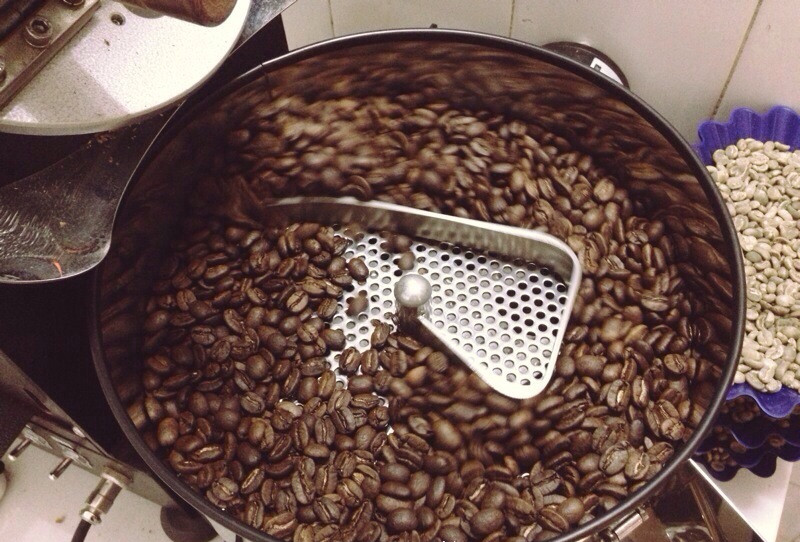
Basic chemical reactions of coffee beans during coffee roasting
Many thermal and chemical reactions take place during baking: decarbonation, dehydration of quinic acid, subdivision, isomerization, polymerization, and complex sugar reactions (caramelization). The main components of the thermal reaction are monosaccharides and sucrose, chlorogenic acid, free amino acids, and fenugreek amide. Both aravinose and calactose in the polysaccharides are transferred, and the basic vulcanization process includes hydroxylamine.
The basic chemical reactions that take place during coffee roasting
Many thermal and chemical reactions take place during baking: decarbonation, dehydration of quinic acid, subdivision, isomerization, polymerization, and complex sugar reactions (caramelization). The main components of the thermal reaction are monosaccharides and sucrose, chlorogenic acid, free amino acids, and fenugreek amide. Both aravinose and calactose in the polysaccharides are transferred, and the basic vulcanization process includes hydroxylamine.

Coffee roasting-- the secret to the aroma of coffee beans
Professional coffee knowledge exchange more coffee bean information please follow the coffee workshop (Wechat official account cafe_style) first pressurize and then explode, which is the secret of the coffee bean aroma. You should know that there are many steps in the roasting process of coffee. This article will focus on the commercial roaster to observe the roasting stage, and the roasting process produces active chemical reactions inside the beans.

The chemical reaction that takes place in the process of roasting coffee how to drink roasted coffee? The process of roasting coffee
Professional coffee knowledge exchange more coffee bean information please pay attention to the coffee workshop (Wechat official account cafe_style) homogenization ─ transfer heat to the inside and outside of raw beans, so that all beans are ready to react evenly. Each raw bean is formed by countless cells, including the cell wall, the cell membrane, the sap that fills its interior, and the nucleus. Harvest
The basic chemical reaction of coffee roasting process
Many thermal and chemical reactions take place during baking: decarbonation, dehydration of quinic acid, subdivision, isomerization, polymerization, and complex sugar reactions (caramelization). The main components of the thermal reaction are monosaccharides and sucrose, chlorogenic acid, free amino acids, and fenugreek amide. Both aravinose and calactose in the polysaccharides are transferred, and the basic vulcanization contains hydroxylated amino acid.
The basic chemical reaction that takes place during coffee roasting.
Many thermal and chemical reactions take place during baking: decarbonation, dehydration of quinic acid, subdivision, isomerization, polymerization, and complex sugar reactions (caramelization). The main components of the thermal reaction are monosaccharides and sucrose, chlorogenic acid, free amino acids, and fenugreek amide. Both aravinose and calactose in the polysaccharides are transferred, and the basic vulcanization process includes hydroxylamine.

The basic chemical reactions that take place during coffee roasting
Many thermal and chemical reactions take place during baking: decarbonation, dehydration of quinic acid, subdivision, isomerization, polymerization, and complex sugar reactions (caramelization). The main components of the thermal reaction are monosaccharides and sucrose, chlorogenic acid, free amino acids, and fenugreek amide. Both aravinose and calactose in the polysaccharides are transferred, and the basic vulcanization process includes hydroxylamine.
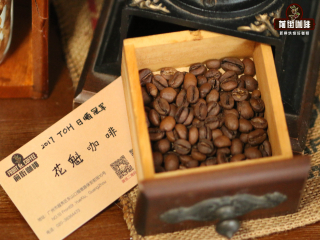
Introduction of Flavor characteristics of Huakui Coffee Bean production area description of the difference between the new Huakui coffee bean and Huakui 6.0
Huakui Coffee Bean refers to the name of an Ethiopian coffee native. It is grown in Humbera in the Guji region and is produced by BukuAbel Manor. It is treated by sun treatment. This bean comes from Hambella, which is located in Guji, the largest coffee producing area in Ethiopia.
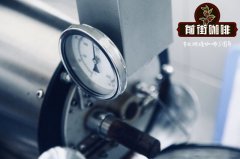
Common methods of roasting coffee beans the best type of coffee roaster is.
Professional coffee knowledge exchange more coffee bean information please follow coffee workshop (Wechat official account cafe_style) coffee bean roaster brand _ coffee bean roaster price _ coffee bean roaster guide what is the importance of roasting? The factors affecting the taste of a cup of coffee are raw beans (60%), roasting (30%) and extraction (10%). Good roasting can exert the personality of raw beans to the extreme.
The basic chemical reaction of coffee technology in the process of coffee roasting
Many thermal and chemical reactions take place during baking: decarbonation, dehydration of quinic acid, subdivision, isomerization, polymerization, and complex sugar reactions (caramelization). The main components of the thermal reaction are monosaccharides and sucrose, chlorogenic acid, free amino acids, and fenugreek amide. Both aravinose and calactose in the polysaccharides are transferred, and the basic vulcanization process includes hydroxylamine.